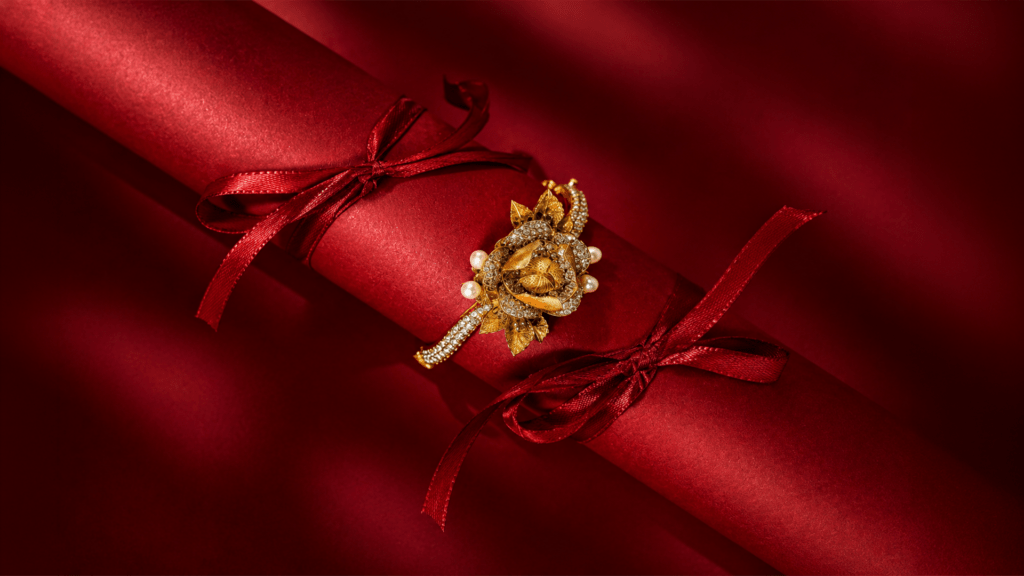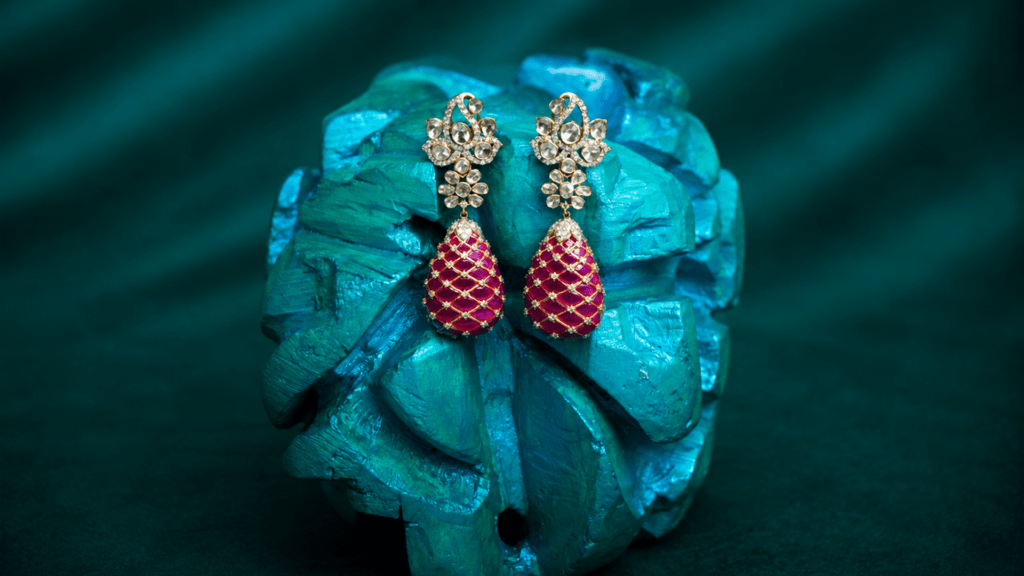
Polki jewellery has a way of catching the eye that is different from any other kind of fine jewellery. It does not sparkle in the sharp, brilliant way of a modern cut diamond. Instead it glows softly, with a warm, regal character that feels both ancient and timeless. For Pakistani brides in particular, polki holds a special place.
Put simply, polki jewellery is made from uncut, natural diamonds set in gold. These are diamonds in their raw form, before any cutting or polishing. It is one of the oldest jewellery techniques in the subcontinent and remains a favourite for those who want a traditional, heritage look on their most important occasions.
To really understand why polki is so treasured, it helps to look at where it comes from, how it differs from cut diamonds and kundan, and how each piece is actually made by hand. Here is a complete look at this beautiful craft.
Where Polki Comes From
Polki dates back to the Mughal era, a time when artisans set raw, uncut diamonds into gold long before modern diamond-cutting technology existed. In those centuries there was no way to facet a stone with the precision we see today, so diamonds were used much closer to their natural state, and a distinctive style of jewellery grew around them.
The style spread through royal courts across the subcontinent and became a symbol of heritage, wealth, and status. Because each polki stone is uncut and unique, no two pieces are ever truly identical. That individuality is a large part of what gives polki jewellery its organic, one-of-a-kind beauty and why it is still associated with tradition and prestige today.
How Polki Is Different From Cut Diamonds
A modern diamond is cut into many precise facets designed to maximise sparkle and brilliance. A polki diamond, by contrast, is left in its natural state, so instead of sharp, dazzling light it has a soft, glassy glow that feels gentle and warm.
This is the key point that many people miss. Polki uses real diamonds, simply unpolished ones. It is not an imitation or a cheaper substitute. It is a completely different way of showcasing the same precious stone, valuing its natural form over engineered sparkle. Once you understand this, the appeal of polki becomes much clearer.
This natural, uncut quality is also why polki pieces often feel warmer and softer in their sparkle than modern jewellery. Rather than the icy flash of a brilliant-cut stone, polki gives a gentle glow that many people find more romantic and more in keeping with traditional outfits. It is a different kind of beauty, rooted in history rather than precision engineering.
How Polki Is Different From Kundan
People often confuse polki and kundan because they look similar at a glance and are frequently used in the same traditional styles. The difference lies in the stones. Polki uses genuine uncut diamonds, while kundan uses glass stones or polished crystals set with refined gold foil.
Because polki uses real diamonds, it is generally more precious and more valuable than kundan. Kundan remains popular and beautiful in its own right, especially for those who want the traditional look at a more accessible price, but it should not be mistaken for polki. Knowing the difference helps you understand exactly what you are paying for.
This is also why polki tends to hold strong value. Because it contains genuine diamonds and substantial gold, a well-made polki set is both a beautiful adornment and a meaningful asset, which is part of its lasting appeal for families investing in bridal jewellery.
How Polki Jewellery Is Made
Craftsmen begin with a gold framework, very often in 22 karat gold. The uncut diamonds are carefully placed into the front of each setting, and the back is then sealed with a thin sheet of gold foil that reflects light back through the stone, giving polki its signature soft glow.
The reverse side of a fine polki piece is frequently finished with meenakari, which is colourful hand-painted enamel work, making the jewellery beautiful on both sides. This is painstaking handwork that takes great skill and time, which is why genuine polki is considered a craft rather than just a product. You can see this traditional artistry in our our Polki Jewellery collection, and explore full sets designed for weddings in our our Bridal Jewellery collection.
Because so much of a polki piece is made by hand, the skill of the craftsman has a huge effect on the final result. The neatness of the settings, the quality of the gold foil work, and the detail of the enamel on the reverse all separate an ordinary piece from an exceptional one. This is why polki is often bought from jewellers who specialise in traditional craftsmanship.
Common Types of Polki Jewellery
Polki appears most often in bridal sets, including heavy necklaces, matching earrings, maang tikkas, and jhumkas. You will also find polki used in rings, bangles, and chokers for those who want a touch of tradition in smaller pieces.
For Pakistani weddings, full polki bridal sets are especially popular because they pair so beautifully with traditional reds and golds, complementing bridal outfits without the bright flash of modern cut diamonds. According to the Gemological Institute of America (GIA), diamonds in all their forms, including uncut natural stones, remain among the most enduring choices in fine jewellery worldwide.
Caring for Polki Jewellery
Polki needs a little more care than ordinary gold jewellery because of its delicate construction. The gold foil behind the stones can be damaged by water, so polki should never be soaked or washed. Instead, wipe it gently with a soft, dry cloth and store it carefully wrapped away from harder pieces.
With this gentle handling, a good polki set can last for generations and become a treasured family heirloom. Because these pieces carry both financial and sentimental value, many families look after them as carefully as they would any other precious inheritance, passing them down from mother to daughter.
Is Polki Right for You?
If you love tradition, heritage, and a soft, regal glow rather than sharp modern sparkle, polki is well worth considering. It suits brides and anyone drawn to classic, handcrafted jewellery with a sense of history, and it pairs beautifully with traditional Pakistani outfits.